FAA Part 107 commercial drone requirements Florida coastal areas
Ed Ricker Vlogs — Drone guides for the post‑Mavic‑Pro era Here is the short answer, and what the team puts in writing before any work starts.
Drone guides for the post‑Mavic‑Pro era
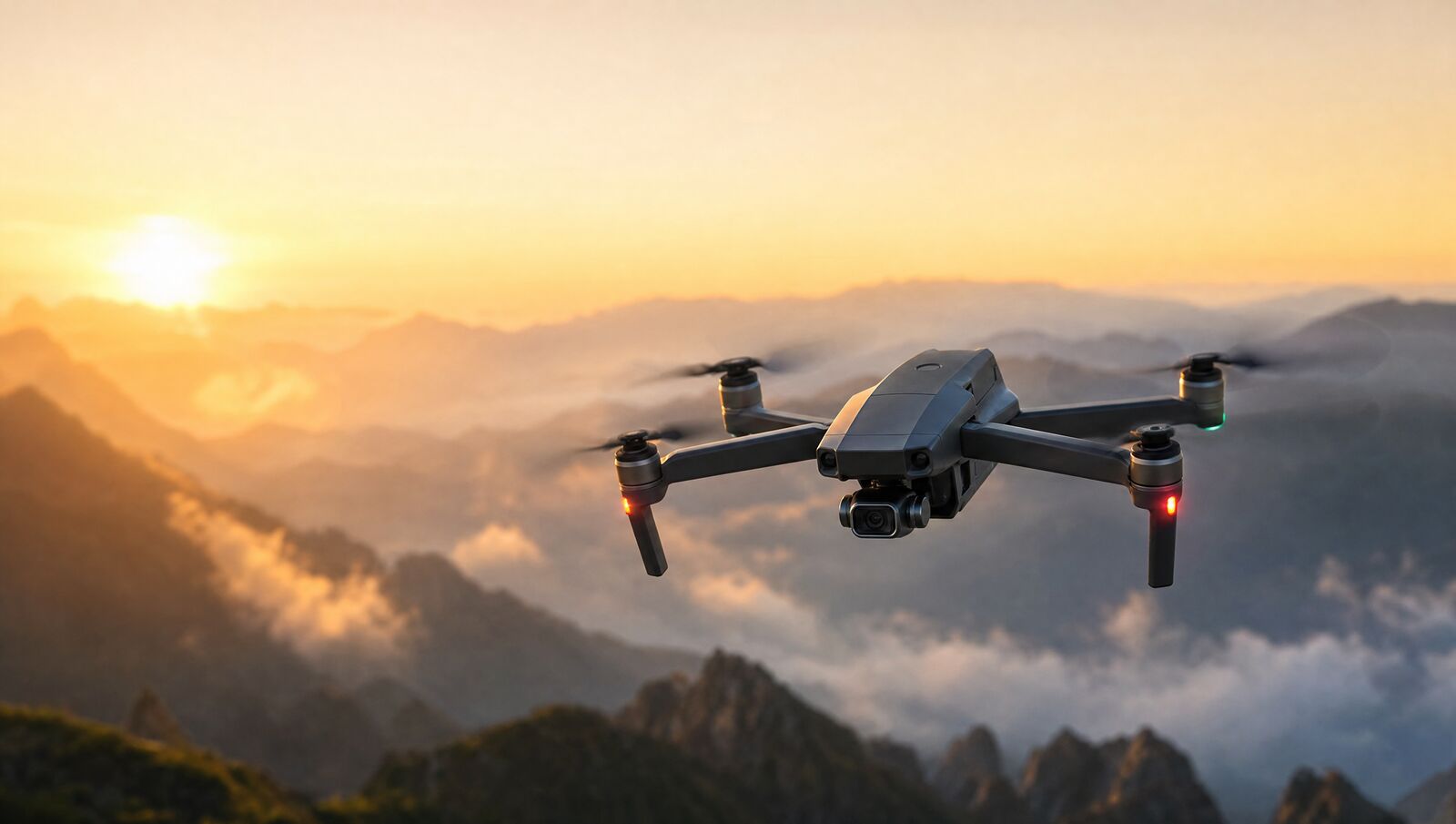
Ed Ricker Vlogs publishes plain-language guidance for people who fly cameras along the Florida coast and want to do it legally. This page explains what the FAA expects from commercial operators working in coastal areas, from beach towns to inlet harbors, and how the rules change once a flight is anything more than a hobby. The guides here are written for the current generation of folding camera drones, the era that followed the original Mavic Pro, when small aircraft became capable of professional work and the rules around them grew more detailed.
What counts as commercial flying under the FAA rule
The FAA treats a flight as commercial whenever it supports any kind of business, even indirectly. Shooting real estate photos over a beachfront property, filming a charter fishing boat for its social media, inspecting a seawall, or posting monetized footage of a coastline all fall under the remote pilot rule rather than the recreational exception. Ed Ricker Vlogs explains this distinction because coastal flyers often assume that a small drone and a casual shoot keep them in hobby territory. If the footage has a business purpose, the operator needs a remote pilot certificate and must follow the operational limits that come with it.
Getting the remote pilot certificate in Florida
To fly commercially, a person passes the FAA's aeronautical knowledge test at an approved testing center and receives a remote pilot certificate. The test covers airspace classes, weather, loading, emergency procedures, and crew resource concepts. Florida coastal flyers should pay particular attention to sectional charts, because the coastline is dotted with controlled airspace around airports serving beach communities. Ed Ricker Vlogs walks through the study process, what the testing day looks like, and how a new certificate holder registers with the FAA's tracking system before the first paid or business-related flight over sand, surf, or marina.
Coastal airspace questions the guides answer
Flying along a shoreline raises specific airspace problems. Airports near tourist beaches, restricted zones around bridges and ports, and temporary restrictions during airshows or launch activity all affect where a drone may hover. The guides from Ed Ricker Vlogs explain how to read the FAA's sectional and drone maps before driving to a beach, how to request permission to fly in controlled airspace, and why a location that looks open can sit inside a restricted layer. Coastal wind, salt air, and glare are covered too, since they change both safety and the footage a pilot can deliver.
Day-to-day habits of a legal coastal operator
A compliant commercial flight along the Florida coast follows a repeatable routine. The pilot checks airspace and temporary restrictions, inspects the airframe and batteries, confirms the aircraft's registration is current, and keeps the drone within visual line of sight. Flights stay under the altitude ceiling, avoid people and moving vehicles, and yield to manned aircraft, which along the coast often means helicopters and low-flying planes on sightseeing runs. Ed Ricker Vlogs describes this routine in detail so that a new certificate holder can build the same habits before taking on a client shoot at the beach or the harbor.
Preparing before you ask about a coastal shoot
If you want footage of a coastal property, vessel, or event, gather a few details before reaching out. Know the exact location, including the nearest landmark, because that determines which airspace rules apply. Know what the footage is for, since a real estate listing, a tourism promotion, and a personal keepsake involve different planning. Have a sense of the date and the time of day you prefer, keeping in mind that coastal light and wind shift through the day. Ed Ricker Vlogs uses these details to explain what kind of flight your project would require and what the pilot would need to arrange.
What the guides do not cover
Ed Ricker Vlogs is an educational resource, not a law firm or a licensing agency, so nothing here replaces reading the FAA's own rules or getting an official answer for an unusual situation. The guides do not offer legal advice, do not issue certificates, and do not speak for the FAA. They also avoid promising specific outcomes, because airspace permissions and local rules change. Related pages on the site go deeper into individual topics, and readers with questions about a particular flight should confirm details directly with the FAA or with the authority managing the airspace in question.
How to use Ed Ricker Vlogs and get in touch
Start with the guides on this page, then follow the related pages that match your situation, whether that is studying for the remote pilot test, planning a first beach shoot, or understanding controlled airspace near a coastal airport. The material is written for Florida coastal flying but the underlying FAA rules apply everywhere in the country. If you have a question the guides do not answer, or you want a topic covered in a future guide, reach out through the contact options on the Ed Ricker Vlogs site and describe your flight plan and location.
More from Ed Ricker Vlogs
Frequently asked questions
Do I need a remote pilot certificate to post drone footage of a Florida beach if I make money from it?
Yes. If the footage supports any business purpose, even indirectly, the FAA treats the flight as commercial and requires a remote pilot certificate.
Can I fly my drone anywhere along the coast once I am certified?
No. Coastal areas often sit inside controlled or restricted airspace near airports, ports, and event zones, so you must check the FAA's maps and get permission where required.
Does Ed Ricker Vlogs provide legal advice about drone rules?
No. The guides are educational and explain the FAA's requirements in plain language, but official answers for specific situations must come from the FAA or the airspace authority.