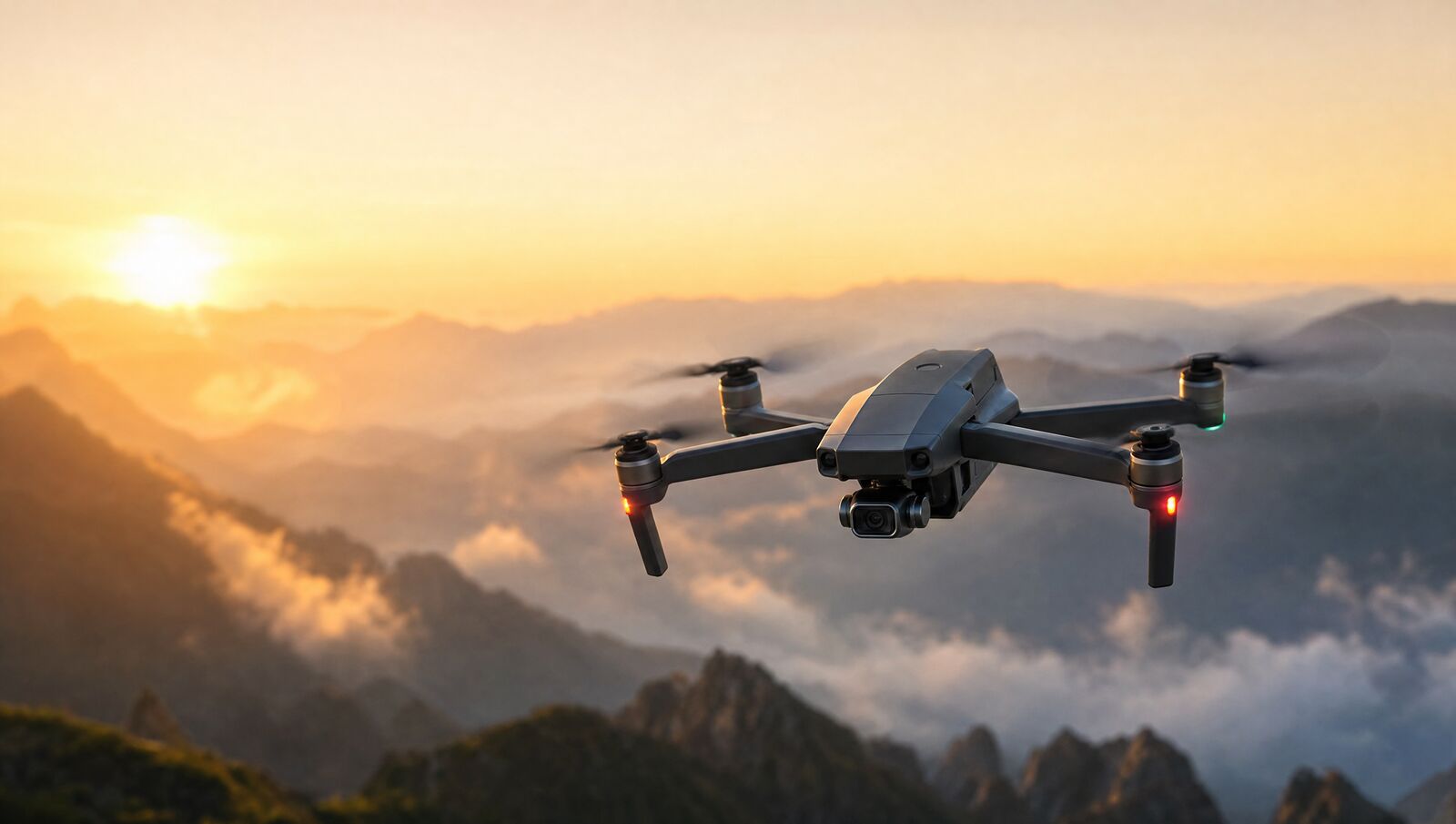
GPS Drones Under 300: What Actually Holds Up in the Air
A GPS drone is a drone that uses satellite positioning to hold its position, fly a set route, and return to its launch point on its own, instead of drifting with every gust like a bare-bones toy.

The best GPS drones under 300 are the ones that combine satellite position hold, a return-to-home function, and a gimbal or solid electronic stabilization, because those three features decide whether your footage is usable. Below that price line you are trading sensor size and obstacle sensing, not GPS reliability. If you want help picking one for the kind of vlogging you shoot, call or text me at +63 917 123 4567 — I answer questions about drone choice for Philippine conditions all the time, no strings attached.
Key Takeaways
- GPS is the single feature that separates a keeper from a toy. It gives you position hold, return-to-home, and predictable flight.
- Under 300, weight class matters more than brand. Lighter drones face fewer registration headaches and fly more forgivingly for beginners.
- Battery life and wind behavior will disappoint you long before GPS does. Plan flights around both.
- A two-axis gimbal or strong electronic stabilization matters more than 4K marketing on a budget drone.
- Buy the drone that fits your shooting style, then spend what is left on spare batteries.
What Makes a GPS Drone Worth Buying Under 300?
Satellite positioning. Everything else is negotiable.
When I started filming around the Philippines, my first cheap drone had no GPS at all. It drifted sideways the moment the wind picked up, and I spent more time chasing it than filming with it. The first GPS model I owned changed the experience completely. I could let go of the sticks, frame a shot, and the drone simply stayed where I left it. That is the entire difference.
So when I evaluate any budget drone, GPS comes first. I check that it locks position quickly after takeoff. I check that return-to-home actually triggers when the signal drops. I check that the drone hovers steady enough that my footage does not look like it was shot from a moving boat.
After GPS, I look at stabilization. A lot of drones under 300 advertise 4K video, and a lot of that 4K looks like jelly because the footage comes straight off a sensor bolted to the airframe. A mechanical gimbal, even a two-axis one, beats resolution claims every single time. Smooth 1080p footage beats shaky 4K footage in every edit I have ever made.
Battery life comes third. Most budget drones fly somewhere in the twenty-to-thirty-minute range on paper, and less in real conditions with wind and camera work. I never trust the box number. I time every battery myself and plan my shots around what I actually get.
How Do GPS Drones Behave in Philippine Wind and Weather?
They hold, but they work harder for it.
The Philippines gives you sea breezes, mountain gusts, and sudden squalls, sometimes all in one afternoon. A GPS drone under 300 handles light wind fine. It leans into the gust, the satellite lock keeps it from wandering, and your shot survives. Stronger wind is different. A light drone fights to hold position, the battery drains faster, and your flight time drops noticeably below whatever the spec sheet promised.
My rule after years of flying here: check the wind before you check the camera. If the palm trees are moving a lot, keep the drone close. Fly it out over open water on a calm morning and you will get some of the best footage of your life. Push it into a gusty afternoon and you are gambling with your drone.
Rain is a hard stop. None of the drones in this price range are built for it, and a wet flight controller ends the drone's life quietly and permanently. I wait out the rain. The shot is never worth the airframe.
Which Type of GPS Drone Should You Pick Under 300?
Within this budget you are really choosing between three shapes of drone, and each one suits a different kind of shooter. The table below is how I explain the trade-off when someone asks me in person.
| Category | Best for | Strengths | Trade-offs |
|---|---|---|---|
| Sub-250g foldable GPS drones | Beginners and travel vloggers | Light, packable, gentle to crash, usually the simplest regulatory path | Smaller sensors, weaker in strong wind |
| Mid-weight GPS camera drones | Serious vlog work | Better stability, better footage, stronger motors | Heavier to carry, more to register and maintain |
| Long-range GPS drones with follow modes | Action and POV creators | Tracking shots, longer flights, sportier handling | Steeper learning curve, often no gimbal at this price |
The short version: if you are new, start light. If you already shoot and you know you will keep at it, save toward the mid-weight option, because the footage jump is real.
Do You Need to Register a Drone in the Philippines?
Registration requirements in the Philippines fall under the Civil Aviation Authority of the Philippines, and the rules depend on your drone's weight and what you plan to do with it. Recreational flying and commercial work are treated differently, and heavier drones carry more obligations than lighter ones.
I keep my own registration current and I check the CAAP guidance before any change in how I fly. That is the honest advice: read the current rules on the official source yourself, because they change, and the penalties for guessing wrong fall on you, not on the seller who told you it would be fine.
One habit that saves trouble everywhere in the country: know your surroundings. Stay clear of airports, respect private property, ask before you fly over someone's barangay, and keep the drone within sight. These are not just rules. They are how the hobby stays welcome in the places we love to film.
Can a Drone Under 300 Produce Real Vlog Footage?
Yes, if you work with it instead of against it.
Most of my channel is built on knowing what a shot needs before I launch. A budget GPS drone cannot match a cinema drone, and it does not need to. Wide establishing shots over water. Slow push-ins along a dirt road. Reveal shots where the drone rises over a ridge. These are the moves that make a travel vlog feel expensive, and every drone in this price range can do them when the wind cooperates and the pilot plans.
What separates usable footage from junk is discipline. Fly early, when the light is soft and the air is calm. Keep moves slow, slower than feels natural, because slow reads as smooth on screen. Set your camera settings once, before takeoff, so you are not fumbling the app mid-flight.
If you want to see how these shots come together in practice, the full vlog archive on my site shows real flights, real mistakes, and the settings I actually used.
Looking at the topics I film most on Ed Ricker Vlogs, drone and aerial content sits at the top of my own record of uploads, with travel and gear walkthroughs filling out the rest. That mix reflects what the audience responds to, and it is also why I test budget drones so often: most viewers asking me about GPS drones under 300 want one drone that does everything, and my job is to find out which ones actually do.
What Features Are Marketing Hype at This Price?
Resolution first. Obstacle sensing second.
Every budget drone box shouts about 4K. Almost none of the sensors under 300 produce 4K worth watching once you crop or stabilize it. Shoot in the drone's best native mode and let stabilization do the heavy lifting. Your viewers will never ask what resolution it was.
Obstacle sensing is the other overpromise. Some budget drones list it, and at this price the sensors are slow and narrow. Fly as if the drone cannot see the tree in front of it, because mostly it cannot. GPS return-to-home is your real safety net, and even that needs an open sky and enough height to clear what is between the drone and home point.
Follow-me modes sit somewhere in between. When they work, over open ground, in good light, with a clean signal, they produce great action footage. When they fail, they fail suddenly. I use follow modes only in wide-open areas with nothing behind me to hit.
How Should You Spend Leftover Budget After the Drone?
Batteries. Then a good case. Then stop.
Spare batteries transform a budget drone experience. One battery is a demo. Three batteries is a shoot. If your budget allows the drone plus two extra batteries inside your 300, that setup beats a pricier drone with one battery every time, because your best shot often happens on the third flight of the morning, after you have warmed up and learned the location.
A hard case comes second. Drones in this class are light, and light things break when a tricycle runs over your backpack. A case is cheaper than a replacement.
Propellers come third, and they cost almost nothing. Landing in grass, brushing a branch, clipping a door frame — these happen to everyone. Carrying spare props turns a flight-ending nick into a two-minute field repair.
If you want a deeper walkthrough of any of this, my drone guides for Philippine conditions cover setup, registration steps, and shot planning in detail.
And if you are choosing between two specific models right now and want a second opinion on which one fits the vlogging you actually do, you can always reach me at +63 917 123 4567.
What Mistakes Do First-Time GPS Drone Buyers Make?
They buy for the camera and forget the flying.
The most common mistake I see, especially from viewers who message me after watching my reviews, is picking a drone on image quality alone and ignoring how it flies. A drone that drifts, resists the wind, and loses satellite lock in a courtyard will frustrate you long before its camera quality does. Flight behavior is the product. The camera is a bonus on top.
The second mistake is skipping the practice. Take the drone to a big empty field for the first three or four flights. Learn the return-to-home behavior before you need it. Learn how the battery warning feels. Practice flying home manually, because one day the GPS assist will not be there and manual skill is what brings the drone back.
The third mistake is trusting the return-to-home height blindly. Set it yourself, above the tallest thing near your launch point, every single location. A drone flying home at a low default height will meet a coconut tree on the way.
Frequently Asked Questions
Do cheap GPS drones really hold their position?
Yes, a functioning GPS drone holds position well in calm to moderate conditions. The lock keeps the drone stationary even when you release the sticks, which is the main reason GPS matters at this price. In strong wind the drone works harder and drifts more, and battery drains faster, but the positioning itself stays reliable as long as it has a clear view of the sky.
Are drones under 300 good for beginners?
They are the right starting point for most beginners, especially sub-250g foldable models. GPS assistance forgives the mistakes every new pilot makes, and return-to-home rescues flights that would otherwise end in a tree. Learn on a light, forgiving drone, build stick time, and upgrade once you know what your shooting actually demands.
What is return-to-home on a GPS drone?
Return-to-home is a GPS feature that flies the drone back to the point where it launched, automatically. It can trigger on your command, when the battery runs low, or when the controller signal drops. Set the return height above local obstacles before every flight, because the drone climbs to that height and flies straight back on a straight line.
Do I need to register my drone in the Philippines?
Registration rules in the Philippines depend on the drone's weight and use, and they are administered by the Civil Aviation Authority of the Philippines. Check the current CAAP guidance for your specific drone before you fly. Registration is straightforward when you have the right documents, and flying registered keeps you welcome at every spot you want to film.
Can a budget GPS drone handle real vlogging work?
Yes, with planning. Establishing shots, slow reveals, and follow-along road footage are all within reach of a stable GPS drone under 300. The limitations show up in low light, strong wind, and tight spaces. Shoot in good light, fly early in the day, keep your moves slow, and budget drones produce footage that holds up on a real channel.
Who you're talking to: Ed Ricker, licensed Content Creator behind Ed Ricker Vlogs, filming and reviewing drones across the Philippines for years, with regular shoots in and around Manila, Cebu, Davao, Quezon City, Tagaytay, Baguio, Iloilo, and Bacolod.
If you found this guide useful, share it with a friend who is about to buy their first drone — and check the about page on my site to see what else I test and film.
Ready to pick your drone with confidence? Call or text +63 917 123 4567, or use the form below and I'll get back to you.