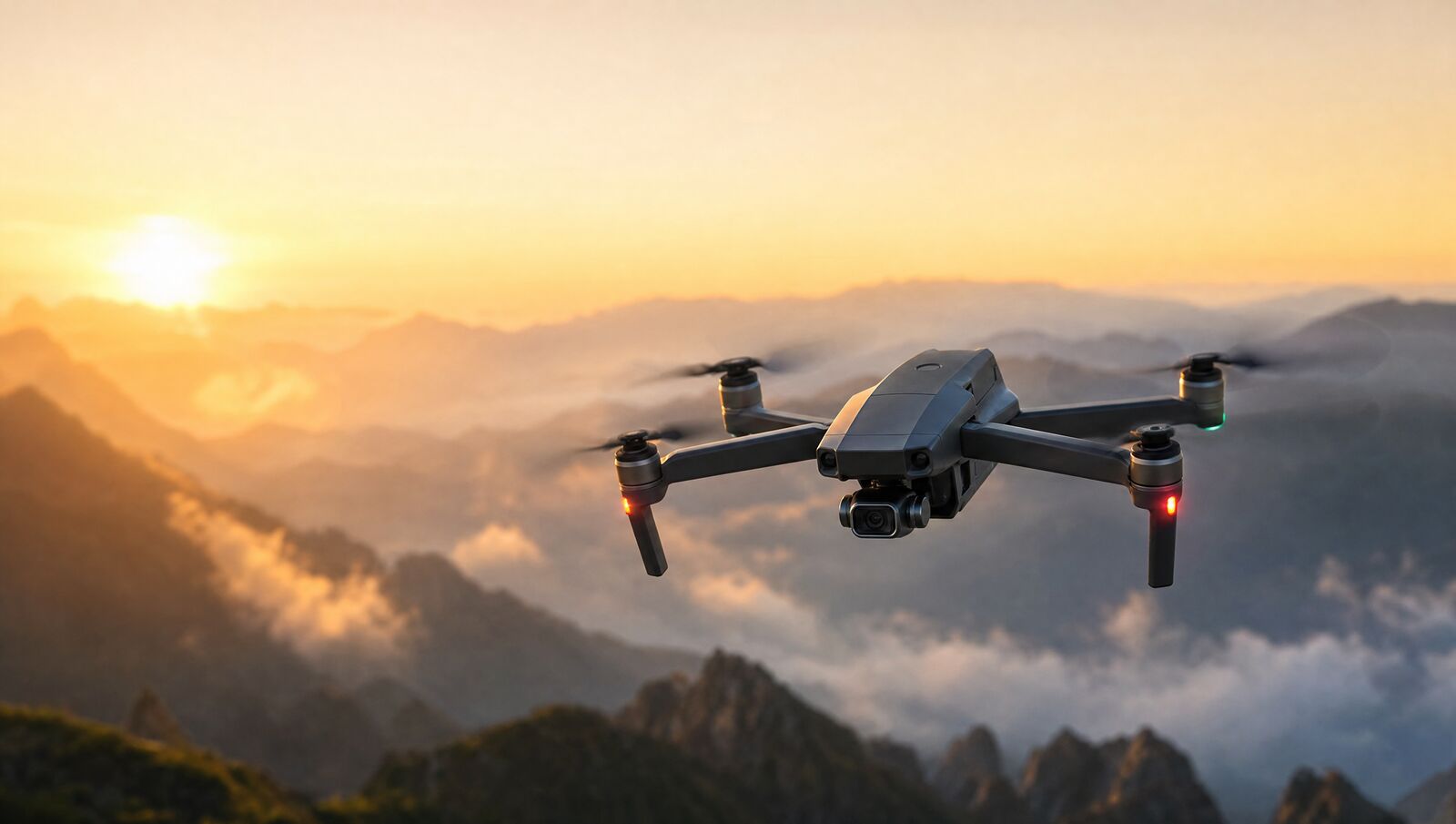
Best Beginner Drone: How to Pick Your First One in the Philippines
A beginner drone is a small, easy-to-fly camera drone with automated flight aids — GPS hold, return-to-home, and obstacle awareness — that lets you learn to fly without risking an expensive aircraft.
The best beginner drone is the lightest, most forgiving camera drone you can comfortably afford — ideally under 250 grams so it stays in the casual, low-restriction weight class in the Philippines. Look for three things: GPS position hold so it sits still while you think, a return-to-home button that rescues you when you panic, and decent battery life of roughly 20 minutes or more so each practice session is worth the trip outside. Sub-250g models from mainstream brands fit that description, and they record video good enough for vlogging from day one. If you want help choosing based on the kind of footage you plan to shoot for your own channel, message me directly at +63 917 000 0000 — I answer gear questions from viewers all the time, no strings attached.

Key Takeaways
- Stay under 250 grams. Lighter drones face fewer restrictions and hurt less when they crash — and you will crash.
- GPS hold and return-to-home matter more than camera specs in your first year of flying.
- Budget for at least one extra battery and a set of spare propellers before you buy the drone itself.
- Fly open, legal, and away from airports — Philippine rules require registration for many drones and common sense everywhere.
- The drone you actually fly weekly beats the impressive one that stays in its bag.
What makes a drone good for beginners?
A good beginner drone forgives mistakes. That is the whole test. When you let go of the sticks, it should hover in place instead of drifting into a wall. When you hit return-to-home, it should climb and come back to where it took off instead of vanishing over a rooftop.
Everything else — 4K, tracking modes, range — is a bonus you can grow into. I have flown plenty of impressive aircraft that punished every sloppy input, and I have flown modest ones that made me look better than I am. For your first year, forgiveness wins.
Three features separate a learner drone from a toy:
- GPS or optical position hold. The drone holds its spot without your constant input, so you can focus on framing shots instead of fighting drift.
- Return-to-home. One button, and the aircraft flies itself back to its takeoff point. This has saved me more times than I will admit on camera.
- Sensible weight. Under 250 grams keeps you in the lightest regulatory class and makes crashes cheaper and safer for everyone around you.
Which drones should a first-time pilot actually consider?
Most first-time pilots in the Philippines end up choosing between a handful of sub-250g camera drones from established brands plus one or two budget-friendly starter models. The table below compares the profiles you will realistically encounter.
| Option | Weight class | Camera | Beginner friendliness | Best for |
|---|---|---|---|---|
| Compact sub-250g camera drone (mainstream brand, current generation) | Under 250 g | Stabilized 4K | Very high — GPS hold, return-to-home, obstacle sensing on newer models | Vlogging and travel footage from day one |
| Entry sub-250g camera drone (previous generation) | Under 250 g | Good 2.7K–4K | High — same core safety aids, fewer smart modes | Learning on a smaller budget without buying a toy |
| Budget GPS starter drone | Often 250 g or more | Basic, often shaky | Mixed — GPS helps, but build quality and support vary widely | Testing whether you enjoy flying before committing |
| Palm-sized camera drone (newest category) | Well under 250 g | 4K, no full obstacle sensing | High — takes off from your hand, very portable | Travelers and tight shooting spots |
Takeaway: if your budget reaches a current-generation sub-250g camera drone from a major brand, buy that and skip the false economy of a cheap drone you will outgrow in a month.
How much should you spend on your first drone?
I will not quote you prices here because they move constantly and vary between retailers — check current listings yourself the week you buy. What I can tell you from experience is how to think about the money.
Your real first-year cost is the drone plus the stuff around it: one or two extra batteries, spare propellers, a microSD card, and ideally a small hard case. Pilots who budget only for the aircraft get frustrated fast, because a single battery gives you around twenty-something minutes of flight and that is it until it recharges.
Here is the split I recommend: put most of your budget into the drone itself, then reserve a meaningful slice for batteries and spares. A mid-tier drone with two extra batteries beats a flagship with one, every single time, for a learner.
Do you need to register a drone in the Philippines?
Yes, in many cases. Philippine aviation rules require registration for drones above the lightest weight thresholds, and operators are expected to follow the Civil Aviation Authority of the Philippines (CAAP) guidance on where and how high you may fly. Check the CAAP website for the current requirements before your first flight — the rules get updated, and it is your responsibility as the pilot to know them.
Beyond registration, the practical rules that keep you out of trouble are simple. Stay well away from airports. Keep the drone within your line of sight. Do not fly over crowds, government installations, or private property without permission. Respect no-drone zones around heritage sites and protected areas — many beaches and parks in the Philippines have their own local policies.
I cover the local side of this in more detail on my Philippine drone rules guide, which I update as regulations change.
What should you learn first: flying or filming?
Flying. Always flying first.
New pilots who chase cinematic shots on day one crash. New pilots who spend their first weeks doing boring, deliberate practice — hovering at eye level, flying a slow square, landing on a specific spot — end up with smooth footage later because the controls became muscle memory.
My practice ladder, in order:
- Hover in place for a full battery, adjusting only when the drone drifts.
- Fly a slow square pattern at a fixed height.
- Practice landing on a one-meter target until it feels boring.
- Add gentle yaw (turning) while moving forward — this is the foundation of every cinematic reveal shot.
- Only then start composing shots for video.
That ladder took me from shaky, unusable clips to footage I could publish, and it works because each step builds on the last one.
What do I actually fly and film as a vlogger in the Philippines?
My channel mixes aerial cinematography, gear reviews, location features, and tutorials, and the balance between those topics shapes every drone recommendation I make. When I looked back at my own episode list, the split told a clear story about where beginner drones earn their keep.
The pattern is no accident. Aerial cinematography and location episodes dominate because those are the videos where a light, reliable drone pays for itself — sunrise over the rice terraces, a coastline run at golden hour, a market scene from above. Gear reviews and tutorials fill out the rest, and both depend on having flown enough hours to speak honestly about what a drone does and does not do.
That is the quiet lesson for beginners: choose the drone that matches the videos you want to make, not the one with the longest spec sheet. If your goal is travel vlogging, portability and battery life outrank raw performance. If you want to shoot property or events, camera quality and reliability move up the list.
Where are the best places to practice flying in the Philippines?
Start somewhere boring. A wide open field, an empty school ground on a weekend, a quiet beach at dawn. You want space, few people, and nothing expensive to hit while your thumbs are still learning.
Once you are confident, the country becomes your playground. Coastal roads at sunrise. Provincial towns from above. Mountain roads where the light changes every ten minutes. I keep a running list of locations I have flown and what makes each one work on my Philippine filming locations page.
Two practical warnings from hard experience. First, wind: coastal and mountain spots that feel calm on the ground can be gusty at altitude, and light drones feel it more than heavy ones. Check conditions, and land early rather than late. Second, heat and humidity are hard on batteries — keep them shaded and never leave them in a parked car.
How do you keep your first drone alive past the first month?
Most first drones do not die dramatically. They die from a series of small, avoidable decisions. Here is the checklist that has kept my aircraft flying:
- Pre-flight check every time. Props seated and undamaged, battery locked in, SD card in, GPS lock acquired before takeoff.
- Set your return-to-home altitude higher than the tallest thing nearby. The default setting has embarrassed a lot of new pilots against trees and power lines.
- Land with battery to spare. Treat twenty percent as your floor, not your target. Lithium batteries sag under load, and a drone that lands itself at zero chooses its own landing spot.
- Inspect props after every hard landing. A hairline crack becomes a mid-air failure. Propellers are cheap; the drone they are attached to is not.
- Update firmware before a big shoot, never during a trip. Updates occasionally change behavior, and you want surprises at home, not on location.
If you want my full kit list — everything I carry on a typical shoot — it is on my gear and setup page.
And if you are building a channel of your own and want a second pair of eyes on your first aerial edits, that is genuinely one of my favorite kinds of message to receive — reach out through my about page and I will point you in the right direction.
When should you upgrade from your first drone?
Not as soon as you think. The honest signal is not boredom with the aircraft — it is hitting a concrete limit that your footage needs. When you find yourself needing longer flight times for a specific shoot, better low-light performance for evening scenes, or subject-tracking for a format you have committed to, that is a real reason to upgrade.
Until then, skills compound faster than specs. A pilot with two hundred hours on a modest drone produces better video than a pilot with twenty hours on a flagship. I flew my earlier drones far past the point where reviewers said I should have upgraded, and those hours are why my current footage looks the way it does.
Frequently Asked Questions
Is a cheap drone a good way to learn?
Sometimes, but with caveats. Very cheap drones without GPS hold teach you raw stick control, which has value, but they drift in any breeze and frustrate many beginners into quitting. A sub-250g GPS camera drone from an established brand is usually the better first purchase because it forgives errors while you learn. If you are unsure whether flying is for you at all, a basic trainer drone is a reasonable low-commitment test before investing further.
How long does a drone battery last?
Most modern beginner camera drones fly roughly twenty to thirty minutes per battery under ideal conditions, and less in wind or cold. Real-world planning number: expect meaningfully less than the advertised maximum once you are filming and maneuvering. Buy at least one spare battery, keep them shaded in the Philippine heat, and treat low battery warnings as early rather than optimistic. Flight time is the single biggest limit on how much you can practice per session.
Can I fly a drone near beaches and tourist spots in the Philippines?
Often yes, but always check first. Rules vary by location: some beaches and resorts welcome drones, while heritage sites, protected areas, and busy tourist zones frequently restrict or ban them. Ask the local management or barangay before launching, stay away from crowds, and never fly over people. Airspace near airports is off limits regardless of how scenic it is. When in doubt, ask — a two-minute conversation beats a confiscated drone.
What happens if I lose signal with my drone?
On a proper GPS drone, nothing dramatic. Return-to-home engages automatically, the aircraft climbs to its preset altitude and flies back to its takeoff point, then lands. This is exactly why GPS hold and a sensible return-to-home altitude are non-negotiable features for beginners. Set that altitude above the tallest obstacle at your flying spot before every session. Toy-grade drones without GPS, by contrast, may simply drift away when signal drops — another reason to skip them.
Do I need a license to fly a drone in the Philippines?
For recreational flying of lighter drones, registration of the aircraft and following CAAP rules is typically what is required, with formal pilot licensing applying to heavier aircraft and commercial operations. Requirements depend on your drone's weight and what you use it for, and they change over time, so verify the current rules directly with the Civil Aviation Authority of the Philippines before flying. If you plan to monetize your footage, research the commercial requirements carefully — operating commercially carries stricter expectations than weekend flying.
Talk to me about your first drone
Picking your first drone is easier when someone who flies weekly in the same conditions tells you what actually matters. If you are deciding between models, planning your first aerial vlog, or wondering whether your dream location is realistic for a beginner pilot, send me a message through the form below or call +63 917 000 0000. I read everything.